

Most construction delays do not start with heavy lifting problems. They start with poor planning and weak workflow sequencing inside Crane Truck Hire Melbourne projects.
When lifting activities happen in the wrong order, construction sites lose efficiency fast.
But very few focus on when and how lifting activities should happen within the overall workflow.
That mistake creates hidden delays.
When lifting tasks happen in the wrong sequence, projects lose momentum. Teams wait unnecessarily, materials block active areas, and site movement becomes inefficient.
That is why experienced teams approach Crane Truck Hire Melbourne with a strong focus on workflow sequencing, not just lifting execution.
Because the order of operations affects the speed of the entire project.
Why Workflow Sequencing Matters in Crane Truck Hire Melbourne Projects
Construction projects depend on timing.
Every stage connects to another.
If one activity happens too early or too late:
- Teams lose efficiency
- Work zones become blocked
- Materials create congestion
- Delays spread across the site
This creates operational friction.
The Common Mistake: Treating Lifting as an Independent Task
Many teams separate lifting from the overall workflow.
They think:
- “Just get the materials lifted”
- “The crane team will handle it”
But lifting affects:
- Site access
- Material movement
- Team scheduling
- Work progression
Without sequencing, projects become disorganized.
Step 1: Plan Material Timing Carefully
Materials should arrive at the right stage.
If they arrive too early:
- Storage areas become overloaded
- Site congestion increases
If they arrive too late:
- Teams stop working
Proper timing improves flow.
Step 2: Align Lifting With Active Work Areas
Lifting should support active workflow zones.
Instead of interrupting site operations, lifting activities should align with project progression.
This reduces downtime.
Step 3: Understand How Material Flow Impacts Efficiency
Poor material movement creates workflow breakdowns.
If you want deeper insight into how movement inefficiencies damage construction productivity, review:
Crane Trucks Melbourne: Why Material Flow Problems Quietly Destroy Construction Efficiency
This explains how poor material flow creates hidden operational delays.
Step 4: Improve Site Access Before Scheduling Lifts
Workflow sequencing fails when site access is weak.
Restricted movement areas slow setup and delay operations.
To understand how access problems affect lifting efficiency, review:
This explains why access planning directly affects project workflow.
Step 5: Reduce Workflow Interference Between Teams
Too many overlapping activities create confusion.
To reduce interference:
- Define active work zones
- Schedule lifting carefully
- Avoid unnecessary overlap between crews
This improves project coordination.
Step 6: Create Predictable Site Movement
Predictable movement improves efficiency.
This includes:
- Clear entry paths
- Defined staging areas
- Controlled material placement zones
Unpredictable movement creates delays.
Step 7: Understand the Role of Operations Management
Large construction projects depend heavily on operational coordination and workflow management.
If you want to understand the broader principles behind operational workflow systems, refer to:
This provides useful insight into how structured operational systems improve efficiency.
Step 8: Avoid Reactive Scheduling
Reactive scheduling creates instability.
This often leads to:
- Delayed lifts
- Congested work zones
- Poor coordination between teams
Instead:
- schedule early
- confirm workflow order
- maintain operational structure
Step 9: Treat Sequencing as a Strategic Advantage
Strong sequencing improves:
- Speed
- Coordination
- Site control
- Productivity
Projects move faster when operations happen in the correct order.
Common Workflow Sequencing Mistakes to Avoid
Avoid these:
- Poor material timing
- Weak coordination between teams
- Congested work zones
- Reactive scheduling
- Ignoring access limitations
Each of these reduces project efficiency.
The Bigger Perspective
Construction efficiency depends on workflow structure.
When lifting operations follow the right sequence, projects become easier to manage and more productive.
That is why experienced teams treat Crane Truck Hire Melbourne as part of a complete operational workflow system, not just a lifting service.
Final Thoughts
Projects slow down when workflow sequencing breaks down.
Strong sequencing keeps movement organized, reduces delays, and improves operational flow across the entire site.
By approaching Crane Truck Hire Melbourne with structured workflow planning, clear scheduling, and coordinated execution, teams create faster and more controlled project environments.
The crane performs the lift.
But sequencing determines how efficiently the entire project moves forward.
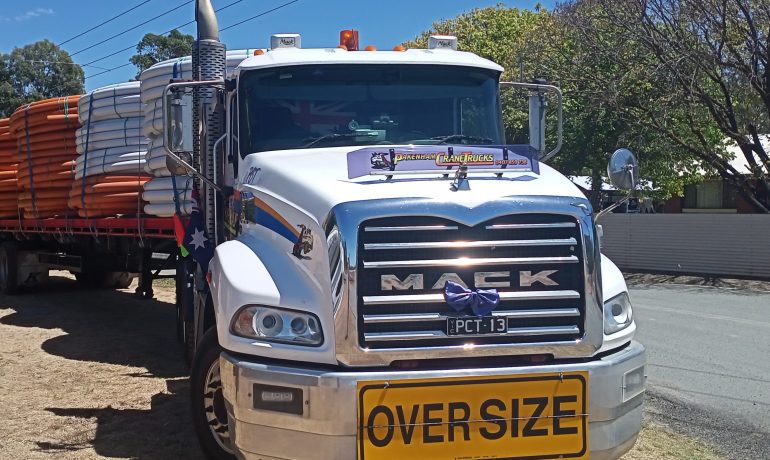
Crane Truck Hire In Melbourne: Better Site Planning
Crane Truck Hire In Melbourne: How Better Site Planning
Crane Truck Hire Melbourne Prices: Why Accurate Project Information Leads to Better Quotes
When businesses compare crane truck hire Melbourne prices, they