
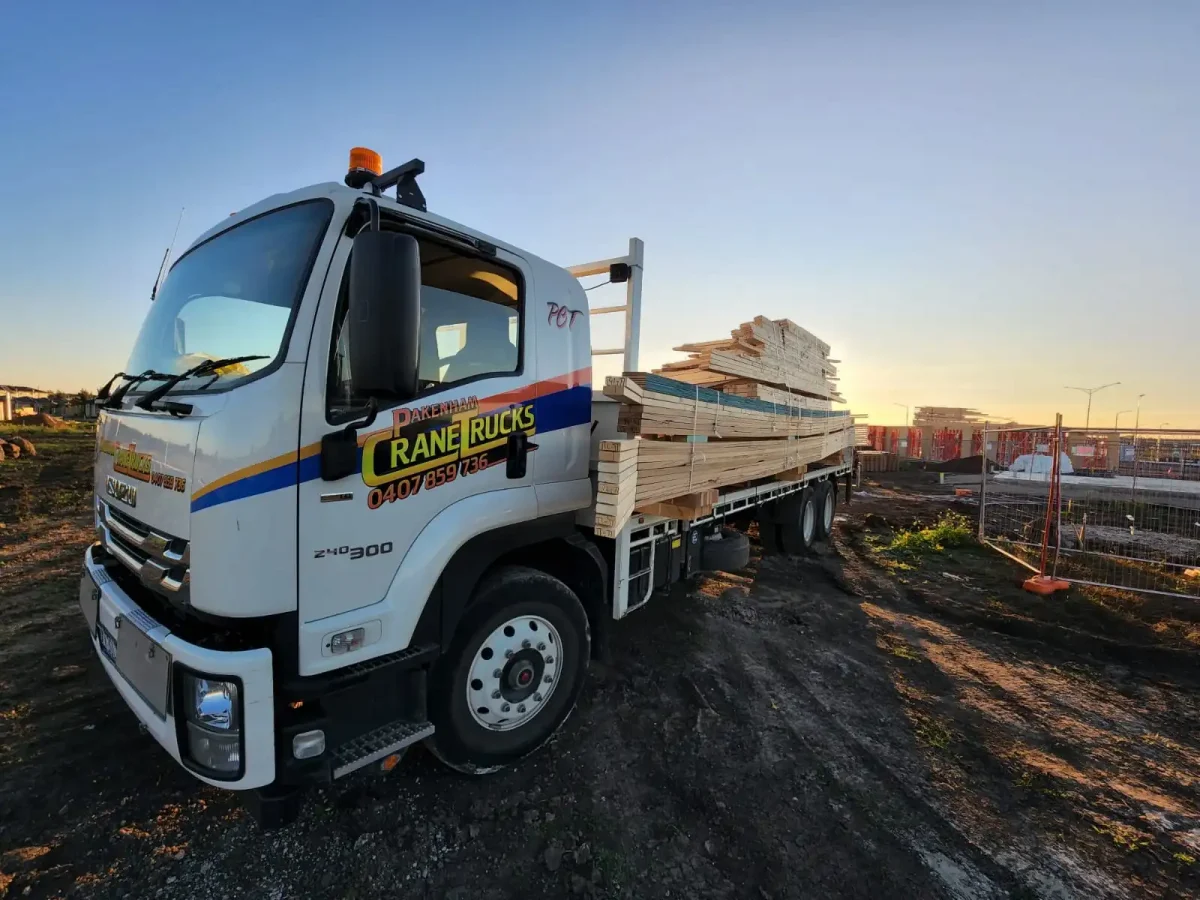
Downtime is expensive.
Not just in terms of money, but in terms of momentum.
When a project slows down, everything feels the impact. Teams wait. Schedules shift. Costs begin to rise. And often, the reason behind these delays is not obvious at first.
In many cases, the issue is not the complexity of the job.
It is how lifting operations are planned and executed.
That is why experienced project teams treat crane truck services in melbourne as a key part of workflow management, not just a support function.
Why Downtime Happens More Often Than Expected
Most delays do not come from major failures.
They come from small gaps in planning.
Common causes include:
- Incomplete site preparation
- Poor timing coordination
- Unclear lift sequences
- Communication breakdowns
Individually, these issues seem small.
But together, they create significant downtime.

The Cost of Waiting on Site
When lifting is delayed, the impact spreads quickly.
- Workers remain idle
- Equipment sits unused
- Deliveries get delayed
- Project timelines shift
This creates a chain reaction.
Even a short delay can affect multiple stages of the project.
That is why reducing downtime should be a priority from the start.
Step 1: Plan Lifting Around the Workflow
Lifting should support the project flow.
Not interrupt it.
To achieve this:
- Align lifting with material delivery
- Schedule lifts when teams are ready
- Avoid overlap with other critical tasks
When lifting fits into the workflow, delays reduce. To explain it properly we created a separate blog on Planing the project in advance.
Step 2: Prepare the Site Before the Crane Arrives
Site readiness is one of the biggest factors in reducing downtime.
Before the crane arrives:
- Clear access paths
- Ensure stable ground
- Mark lifting zones
- Remove unnecessary obstacles
Prepared sites allow immediate setup.
Unprepared sites create delays from the first minute.
Step 3: Define a Clear Lift Sequence
Random lifting slows everything down.
Instead:
- Plan the order of lifts
- Group similar tasks
- Reduce repositioning
A structured sequence keeps operations smooth.
It also saves time.
Step 4: Improve Communication Between Teams
Communication is often underestimated.
Without it:
- Teams wait for instructions
- Work overlaps
- Confusion increases
Clear communication ensures:
- Everyone knows the plan
- Tasks are executed on time
- Delays are minimized
Step 5: Choose the Right Equipment for the Job
Using the wrong equipment creates inefficiency.
Even if the crane can handle the load, it may not suit:
- The site layout
- The required movement
- The working radius
Choosing the right setup reduces complications.
It also improves speed.
Step 6: Minimise Repositioning Time
Repositioning is a hidden source of delay.
Each movement requires:
- Adjustment
- Setup
- Time
To reduce this:
- Plan crane positioning carefully
- Sequence lifts logically
- Avoid unnecessary movement
Less repositioning means faster work.
Step 7: Factor in Real Site Conditions
Every site has challenges.
These may include:
- Limited space
- Obstacles
- Uneven surfaces
- Active work zones
Ignoring these leads to delays.
Planning for them improves efficiency.
Step 8: Avoid Last-Minute Changes
Last-minute decisions create uncertainty.
They often result in:
- Delays
- Poor coordination
- Increased pressure
Instead, confirm details early.
This allows smoother execution.
Step 9: Build Safety Into the Process
Safety is not separate from efficiency.
Unsafe practices lead to:
- Work stoppages
- Rework
- Delays
Planning safe operations ensures:
- Continuous workflow
- Better control
- Reduced risk
The Role of Professional Support
A professional approach to crane truck services in melbourne goes beyond lifting.
It includes:
- Planning
- Coordination
- Execution
This reduces pressure on the project team.
It also improves overall efficiency.
Common Mistakes That Increase Downtime
Avoid these:
- Poor site preparation
- Weak communication
- Unplanned lift sequences
- Incorrect equipment choice
- Last-minute changes
Each of these creates friction.
And friction slows the project. This also affects the overall pricing to get the project done. To understand it properly you can check out our article on pricing and budgeting of crane truck in melbourne.
The Bigger Picture
Lifting is not an isolated task.
It affects:
- Project timelines
- Team productivity
- Overall efficiency
When lifting is managed well, everything else improves.
Final Thoughts
Reducing downtime is not about working faster.
It is about working smarter.
When you approach crane truck services in melbourne with proper planning, clear communication, and structured execution, delays become easier to control.
The crane performs the lift.
But the system around it determines how efficient the project becomes.
And in any project, efficiency is what keeps everything moving forward.
Crane Truck Hire In Melbourne: Better Site Planning
Crane Truck Hire In Melbourne: How Better Site Planning
Crane Truck Hire Melbourne Prices: Why Accurate Project Information Leads to Better Quotes
When businesses compare crane truck hire Melbourne prices, they